
Practical packing advice to help protect your belongings, organise your boxes and prepare everything properly before moving into storage.
Packing Advice
Pack Properly Before You Store
Good packing makes self storage easier, safer and much more organised.
Whether you are storing the contents of a house, a few boxes, furniture, business stock or personal belongings, the way everything is prepared before it reaches your unit can make a major difference.
Strong boxes, clear labels and careful protection can help prevent damage while also making it easier to find belongings later.
This guide covers the practical steps worth taking before you move anything into storage.
Choose Strong Packing Boxes
Good-quality boxes are one of the most important parts of packing for storage.
Weak or damaged cardboard can collapse when boxes are stacked, while boxes that have already been exposed to moisture may not provide enough support.
Where possible, use strong cardboard boxes or rigid plastic storage boxes.
Try to use similar sizes because they are easier to stack and make better use of the space inside your unit.
Avoid relying heavily on supermarket boxes or containers that are already torn, crushed or weakened.
Use the Right Size Box for the Contents
A large box is not always the best choice.
The heavier the contents, the smaller the box should usually be.
Use smaller boxes for:
- Books
- Documents
- Tools
- Crockery
- Metal Items
- Heavy Decorations
Larger boxes are better for lighter belongings such as:
- Bedding
- Cushions
- Soft Toys
- Clothing
- Towels
- Lightweight Household Items
A box that is too heavy is harder to move safely and more likely to fail at the bottom.
Do Not Overfill Boxes
Packing a box until the sides bulge can weaken it.
Boxes should close properly and retain their shape.
If the flaps will not fold flat, move some of the contents into another box.
Overfilled boxes are also difficult to stack because the top is no longer level.
At the other extreme, avoid leaving a large empty space inside a box.
A partially empty cardboard box may collapse if other boxes are placed on top.
Fill spare space with suitable packing material where necessary.
Seal Boxes Properly
Use strong packing tape across the bottom of each cardboard box before you fill it.
Pay particular attention to boxes containing heavier belongings.
Once packed, seal the top securely.
Do not rely on folding the flaps over one another without tape if the box will be moved or stored for any length of time.
For heavier boxes, reinforcing the bottom with an additional strip of tape can provide extra support.
Label Every Box Clearly
Good labelling can save a considerable amount of time later.
Write the contents and category on the outside of each box.
Instead of writing:
Bedroom
use something more useful, such as:
Main Bedroom – Winter Clothes and Bedding
For a kitchen box, you might write:
Kitchen – Plates, Bowls and Mugs
Specific descriptions make it easier to find one item without opening several boxes.
Label More Than One Side
Do not label only the top of a box.
Once boxes are stacked, the top may no longer be visible.
Write the label on at least two sides.
This allows you to identify the contents while the box remains in position.
If a box is fragile, mark that clearly on several sides as well.
Number Your Boxes
Numbering can make larger storage jobs much easier to manage.
Give each box a simple number.
For example:
- Box 1 – Kitchen Crockery
- Box 2 – Kitchen Pans
- Box 3 – Main Bedroom Clothes
- Box 4 – Office Files
- Box 5 – Books
Keep the same list on your phone, laptop or a spreadsheet.
If you later need something specific, you can identify the correct box before visiting your storage unit.
Pack Similar Items Together
Avoid filling boxes with unrelated items from several rooms.
Packing by category makes both storage and unpacking easier.
Keep kitchen items together, books together, clothing together and office belongings together.
This also makes it easier to decide where boxes should be positioned inside the unit.
Items you use frequently can stay near the entrance, while long-term storage boxes can go further back.
Wrap Fragile Items Individually
Glassware, crockery, ornaments and other breakable belongings should be wrapped separately.
Use suitable packing materials such as:
- Bubble Wrap
- Packing Paper
- Protective Sleeves
- Soft Packaging Materials
Avoid allowing fragile items to knock against one another inside the box.
Fill gaps to limit movement.
Mark the box clearly as fragile before it is moved.
Pack Plates and Crockery Carefully
Crockery needs particular care.
Wrap individual pieces and avoid placing them loosely together.
Do not put a large amount of heavy crockery into one oversized box.
A smaller, manageable box is usually better.
Use packing material between items and around the sides of the box.
Make sure there is no significant movement once the box has been closed.
Protect Mirrors and Pictures
Mirrors, framed photographs and artwork should not be left unprotected.
Cover the surface and protect vulnerable corners.
Keep them upright where practical rather than placing heavy items directly on top.
Label them clearly.
When arranging your storage unit, position them somewhere they are unlikely to be knocked when other belongings are moved.
Prepare Furniture Before Storage
Furniture should be clean and completely dry before storage.
Where practical, dismantle larger items to reduce the amount of space they occupy.
This may include:
- Beds
- Dining Tables
- Wardrobes
- Desks
- Shelving Units
- Flat-Pack Furniture
Removing legs or separating furniture into sections can also make it easier to move through doorways and into the storage unit.
Keep Furniture Fittings Together
Do not lose the screws, bolts and fittings when dismantling furniture.
Place them inside a labelled bag.
Write the name of the furniture item clearly on the bag.
Where suitable, secure the bag to the furniture so the fittings remain with the correct item.
You can also take photographs before dismantling more complicated furniture to help with reassembly later.
Protect Mattresses and Upholstered Furniture
Mattresses, sofas, armchairs and other upholstered furniture can benefit from protective covers.
The main purpose is to keep fabric clean while items are being transported, handled and stored.
Make sure furniture is already clean and dry before covering it.
Do not wrap damp upholstery and then place it into storage.
Moisture should always be dealt with before packing.
Clean Everything Before Packing
Storage is not the best place to put dirty or damp belongings.
Clean items before packing whenever practical.
This is particularly important for:
- Kitchen Equipment
- Furniture
- Garden Equipment
- Tools
- Appliances
- Clothing
- Soft Furnishings
Make sure everything is completely dry before it is boxed or covered.
Prepare Fridges and Freezers
Empty fridges and freezers well before moving them into storage.
Defrost them completely.
Clean the inside and allow it to dry thoroughly.
Do not store a fridge or freezer with moisture trapped inside.
Once positioned securely, leaving the door slightly open can help prevent unpleasant smells.
Secure cables so they do not become damaged while the appliance is being moved.
Prepare Washing Machines and Dishwashers
Appliances that use water should be properly drained before moving.
Follow the manufacturer’s guidance where possible.
Remove remaining water and allow the appliance to dry.
Secure hoses and cables so they do not drag along the floor or become caught during transport.
Take care when moving heavy appliances and use suitable moving equipment where required.
Pack Clothes Clean and Dry
Do not pack damp or dirty clothing.
Wash and dry clothes before they go into storage.
Folded clothing can be placed into suitable boxes or containers.
Label boxes by person, season or type.
For example:
- Winter Clothes
- Summer Clothes
- Children’s Clothing
- Work Clothes
- Coats and Jackets
This makes it easier to retrieve a particular group without opening everything.
Use Wardrobe Boxes Where Useful
Some clothing is better stored hanging rather than folded.
Wardrobe boxes can be useful for items such as:
- Suits
- Dresses
- Coats
- Formal Clothing
They can reduce the need to fold garments and keep similar clothing together.
Avoid overloading the box or placing unnecessary heavy items at the bottom.
Pack Books into Small Boxes
Books are deceptively heavy.
A large cardboard box filled with books can quickly become difficult to lift.
Use smaller boxes and avoid overloading them.
Pack books flat or securely so they do not shift significantly while being moved.
Keep boxes of books at lower levels inside the storage unit because of their weight.
Organise Documents Before Storage
Do not put loose paperwork randomly into boxes.
Sort documents before packing.
You might organise them by:
- Year
- Person
- Business Department
- Document Type
- Project
Use clearly labelled archive boxes where appropriate.
Keep an inventory if you expect to need documents while they are in storage.
Prepare Tools and Equipment
Clean tools and equipment before placing them into storage.
Remove dirt and moisture.
Organise smaller pieces into clearly labelled containers.
For example:
- Hand Tools
- Power Tools
- Fixings
- Protective Equipment
- Spare Parts
Keeping related equipment together makes it much easier to retrieve what you need later.
Do Not Waste Empty Space
Some belongings can be used as additional packing space.
Suitcases, drawers and wardrobes may be able to hold lightweight items.
This can help make better use of the space inside your storage unit.
However, do not overload furniture or place excessive weight inside drawers and cabinets.
Use the space sensibly.
Pack According to When You Need Items
Think beyond simply getting everything into boxes.
Ask yourself when you are likely to need each group again.
Items that may be required soon should be packed and labelled so they can remain near the front of the storage unit.
Items intended for long-term storage can go further back.
This is particularly useful when storing during:
- A House Move
- A Renovation
- A Business Expansion
- A Temporary Relocation
Good packing and good storage organisation should work together.
Keep an Essentials Box Separate
If you are moving house, do not accidentally put everything you need immediately into storage.
Prepare an essentials box or bag.
This might include:
- Phone Chargers
- Medication
- Important Documents
- Basic Toiletries
- Change of Clothes
- Kettle
- Mugs
- Basic Cleaning Supplies
Keep this with you rather than placing it deep inside your storage unit.
Load Heavy Items First
When loading a vehicle or storage unit, heavier and more stable belongings should usually form the base.
Lighter boxes can then be positioned above them.
Avoid placing fragile boxes at the bottom of large stacks.
Keep heavy items at lower levels to reduce the risk of unstable stacking.
Do not create stacks that are taller than you can safely manage.
Keep Frequently Needed Boxes Near the Front
Packing does not end when the box is sealed.
Think about where it will eventually sit inside the storage unit.
Frequently used belongings should remain accessible.
This could include:
- Seasonal Clothing
- Business Stock
- Tools
- Documents
- Children’s Items
If you know you will need something within a few weeks, do not bury it at the back behind furniture and dozens of boxes.
Avoid Storing Prohibited or Unsuitable Items
Do not assume that every type of item can be placed into self storage.
Dangerous, illegal, hazardous and perishable items may be prohibited or unsuitable.
If you are unsure about a particular item, ask before bringing it to the facility.
This is especially important when packing mixed household or business belongings because restricted items can otherwise be overlooked.
Packing Checklist
Before moving your belongings into storage, check that you have:
- Used Strong Boxes
- Matched Box Size to the Weight of the Contents
- Reinforced Heavier Boxes Where Needed
- Sealed Boxes Properly
- Labelled More Than One Side
- Numbered Boxes Where Useful
- Created an Inventory
- Wrapped Fragile Items Individually
- Filled Empty Space in Fragile Boxes
- Cleaned and Dried Furniture
- Dismantled Large Furniture Where Practical
- Kept Furniture Fittings Together
- Defrosted Fridges and Freezers
- Drained Water-Using Appliances
- Washed and Dried Clothes
- Organised Documents
- Cleaned Tools and Equipment
- Separated Frequently Needed Items
- Kept Essentials Out of Long-Term Storage
- Checked Any Storage Restrictions
Moving House?
Our Moving House Guide covers planning your move, organising your belongings, moving-day preparation and using storage between properties.
Storing for Your Business?
Our Business Storage Guide covers stock, tools, equipment, documents and ways to organise commercial storage efficiently.
Need Help Preparing for Storage?
Packing correctly can help you use your storage space more efficiently and make it much easier to retrieve belongings later.
Perth Self Store provides indoor storage and drive-up storage options for household and business customers.
Whether you are packing a few boxes or preparing the contents of an entire property, tell us what you are planning to store and our team can help you choose a suitable storage option.
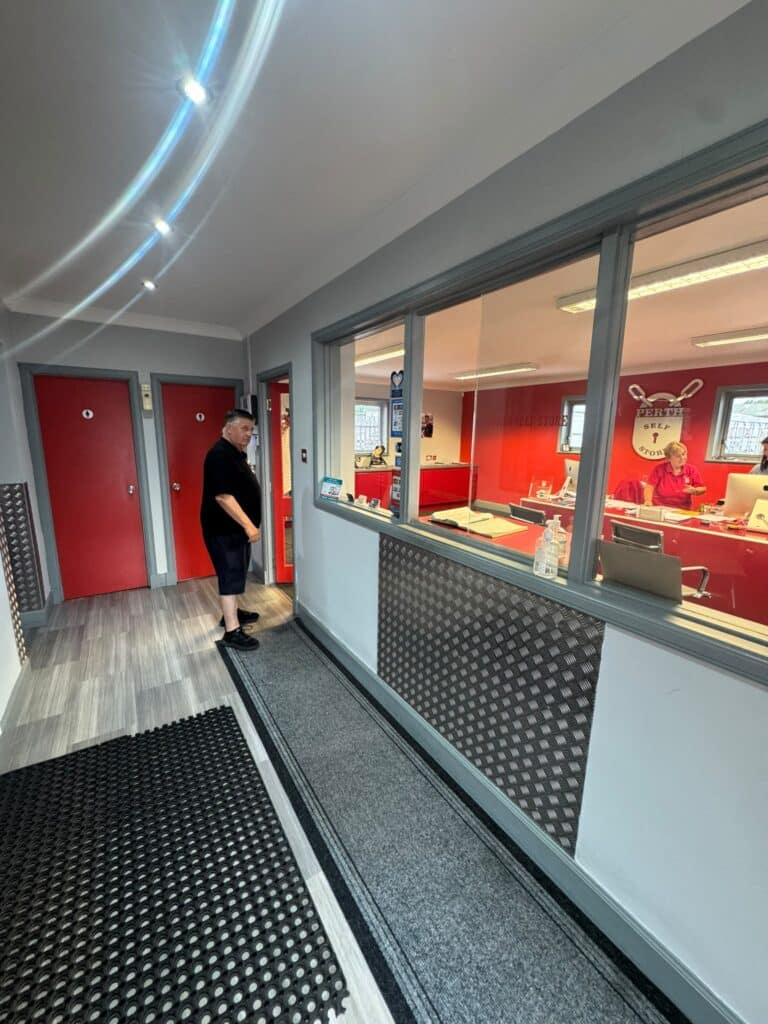
Need Storage in Perth?
Packing up your home, business or belongings?
Tell us what you are planning to store and we can help you find a suitable option.
Telephone: 01738 632879
Email: [enquiries@perthselfstore.co.uk](mailto:enquiries@perthselfstore.co.uk)
Perth Self Store
Inveralmond Road
Inveralmond Industrial Estate
Perth
PH1 3TW
Scotland
Packing Advice For
- Moving House
- Furniture
- Fragile Items
- Clothes and Textiles
- Books
- Documents
- Appliances
- Tools and Equipment
- Business Stock
Popular Storage Guides
- Moving House Guide
- Business Storage Guide
- Storage Tips & Guides
- Storage Calculator
- Storage FAQs