
Practical advice for storing business stock, tools, equipment, documents and commercial belongings safely and efficiently.
Business Storage Guide
Make Business Storage Work for You
Extra storage can make a big difference to the way a business operates.
Whether you are running an online shop, working as a tradesperson, managing seasonal stock or simply running out of room at your current premises, self storage can give you additional space without committing to larger commercial premises.
A well-organised storage unit can be used for stock, tools, equipment, documents, furniture, marketing materials and a wide range of other business items.
The key is to organise the space properly from the start.
This guide covers how to plan business storage, choose the right type of unit and keep commercial belongings easy to access as your business grows.
Why Businesses Use Self Storage
Businesses need space for many different reasons.
You may have more stock than your current premises can comfortably hold, need somewhere to keep equipment between jobs or want to move archived documents out of your office.
Self storage provides additional capacity without requiring a permanent change of premises.
It can be particularly useful for:
- Retailers
- Online Businesses
- Tradespeople
- Contractors
- Small Businesses
- Start-Ups
- Office-Based Companies
- Seasonal Businesses
- Property Professionals
The amount of storage can also change as your business develops, giving you more flexibility than committing immediately to a larger commercial property.
Choose Storage Based on How You Work
The best business storage option depends on what you need to store and how frequently you need access.
If you are storing archived files or equipment that is rarely used, access may not be your main priority.
If you are collecting tools every morning or regularly moving stock in and out, convenience becomes much more important.
Think about:
- What You Need to Store
- How Much Space You Need
- How Often You Will Visit
- How Heavy Your Items Are
- Whether You Need Vehicle Access
- How Long You Expect to Store Items
Planning around your normal working routine makes it easier to choose a practical unit.
Store Business Stock Efficiently
Stock can quickly take over an office, spare room, garage or shop.
Moving surplus inventory into a dedicated storage unit can free up working space while keeping products available when required.
Organise stock by category rather than simply filling the unit with boxes.
You might separate products by:
- Product Type
- Brand
- Size
- Season
- Order Frequency
- Product Code
Fast-moving stock should be positioned near the entrance.
Products that are rarely required can go further back.
Use Shelving to Keep Stock Organised
Shelving can make a business storage unit considerably easier to use.
Rather than stacking boxes directly on top of one another, shelving allows you to see and access individual containers without moving several others first.
This can be particularly helpful for smaller products, spare parts, documents and consumable materials.
Label each shelf or section clearly.
For example:
- Current Stock
- Returns
- Packaging
- Promotional Materials
- Spare Parts
- Seasonal Stock
A simple shelving system can turn a storage unit into a much more practical stockroom.
Create a Stock Inventory
Knowing what is inside your storage unit is just as important as organising it physically.
Keep an inventory of stored stock.
This might include:
- Product Name
- Product Code
- Quantity
- Storage Location
- Date Added
- Reorder Level
Your system does not need to be complicated.
For smaller businesses, a simple spreadsheet may be enough.
Larger inventories may benefit from dedicated stock-management software.
The important thing is that your records match what is actually inside the unit.
Rotate Stock Properly
If your stock changes regularly, avoid allowing older products to disappear at the back of your unit.
Arrange new deliveries so older suitable stock remains accessible.
This is particularly important where products have dates, packaging changes or seasonal relevance.
Review the unit periodically.
Check for:
- Slow-Moving Stock
- Damaged Packaging
- Obsolete Products
- Old Promotional Materials
- Excess Inventory
A storage unit should support your business rather than becoming somewhere forgotten stock accumulates.
Plan for Seasonal Stock
Many businesses need more space at certain times of year.
Retailers may carry additional stock before Christmas, while other businesses may have products that are only required during summer, winter or specific events.
Self storage can help separate seasonal stock from everyday inventory.
Keep each season clearly labelled.
For example:
- Christmas Stock
- Summer Products
- Winter Equipment
- Event Materials
- Seasonal Displays
Once the season ends, those items can move further back while the next group becomes more accessible.
Storage for Online Retailers
Running an online shop from home can become difficult once orders and inventory begin to grow.
Boxes can quickly spread into spare bedrooms, garages and living areas.
A storage unit can give your business a separate place for products, packaging and supplies.
You could create individual areas for:
- Saleable Stock
- Packaging Materials
- Returns
- Promotional Products
- Seasonal Inventory
Keeping stock away from your living space can also make it easier to separate work and home life.
Storage for Tradespeople
Tradespeople often need somewhere secure and practical to keep tools, equipment and materials.
Keeping everything at home can take up valuable garage or driveway space.
A dedicated storage unit gives you one place to organise business equipment.
You could separate areas for:
- Hand Tools
- Power Tools
- Protective Equipment
- Fixings and Consumables
- Spare Parts
- Job Materials
- Larger Equipment
Keep the tools you use every day near the entrance.
Less frequently used equipment can be stored further back.
Make Drive-Up Storage Work for Your Business
Drive-up storage can be particularly useful when you regularly transport heavy, bulky or numerous items.
Being able to bring your vehicle close to the storage unit can reduce the distance equipment and stock need to be carried.
This can be useful for:
- Tradespeople
- Contractors
- Retail Stock
- Tools
- Equipment
- Event Materials
- Bulky Products
Think carefully about loading order.
Items you collect most frequently should always remain easy to reach.
Store Tools and Equipment Properly
Tools and equipment should be clean, dry and organised before being placed into storage.
Do not simply pile everything together.
Group related equipment and use labelled containers for smaller items.
For example:
- Electrical Tools
- Plumbing Equipment
- Decorating Tools
- Fixings
- Safety Equipment
- Replacement Parts
Keeping everything organised reduces the amount of time spent searching for equipment before a job.
Keep Frequently Used Equipment Near the Front
A storage unit becomes frustrating if you have to move ten boxes every time you need one tool.
Think about frequency of use when organising the layout.
Daily-use equipment belongs near the entrance.
Occasional equipment can be stored further back.
This simple rule can make a significant difference if you visit your storage unit several times each week.
Use Storage for Office Furniture
Businesses often accumulate desks, chairs, filing cabinets and other furniture that is not currently needed but may still be useful.
Self storage can provide temporary space during:
- Office Moves
- Refurbishments
- Downsizing
- Expansion
- Hybrid Working Changes
- Temporary Office Closures
Where practical, dismantle larger furniture to reduce the amount of floor space it occupies.
Keep fittings labelled so furniture can be reassembled later.
Store Business Documents Carefully
Businesses can accumulate significant amounts of paperwork.
Older files may still need to be retained but do not necessarily need to occupy valuable office space.
Archive boxes can help keep documents organised.
Label them clearly with information such as:
- Year
- Department
- Document Type
- Retention Date
- Box Number
Keep an inventory so files can be located without searching through every box.
Businesses should also make sure their document-storage arrangements meet any legal, regulatory or data-protection requirements that apply to their records.
Create an Archive System
Do not treat document storage as somewhere to put paperwork indefinitely.
Create a clear archive system.
One approach is to organise records by year and category.
For example:
- Accounts – 2025
- Accounts – 2026
- Supplier Records
- Contracts
- Project Files
- Personnel Records
Record when boxes should be reviewed.
This helps prevent unnecessary paperwork from occupying storage space long after it is required.
Store Marketing and Event Materials
Display stands, banners, promotional stock and exhibition equipment can occupy a surprising amount of room.
These items may only be used occasionally, making them well suited to storage between events.
Keep event equipment together.
Label cases and containers so your team can identify everything quickly.
You could create sections for:
- Banners
- Display Stands
- Printed Materials
- Promotional Products
- Event Furniture
- Signage
After each event, check everything before returning it to storage so damaged or missing items can be dealt with early.
Plan Your Storage Unit Layout
The layout should reflect how your business uses the unit.
Do not simply place items wherever there is space.
A practical layout might include:
- Frequently Used Items Near the Entrance
- Bulk Stock Towards the Back
- Clearly Labelled Shelving
- Separate Areas for Different Categories
- Heavy Items at Lower Levels
- A Walkway Through Larger Units
If several employees use the unit, create a simple layout that everyone can understand.
Consistency is important.
If people repeatedly put items in different places, the unit will quickly become disorganised.
Make Use of Vertical Space
Business storage is not just about floor area.
Using the available height properly can significantly increase the amount of usable space.
Strong shelving can help you organise boxes and stock vertically.
Keep heavier items lower down and lighter items higher up.
Avoid unstable stacks that could fall when items are removed.
The aim is to use the space efficiently without making access difficult or unsafe.
Do Not Overfill Your Unit
Using every available centimetre may seem efficient, but an overfilled storage unit can become difficult to manage.
Leave enough room to reach the items you need.
If your business regularly accesses stock or equipment, a small walkway can save significant time.
If the unit is becoming permanently overcrowded, it may be a sign that your storage requirements have changed.
Review your space rather than continuing to squeeze more items inside.
Keep Storage Clean and Organised
Business storage should be treated as part of your working environment.
Visit periodically to tidy, review stock and remove anything that is no longer required.
Do not allow damaged packaging, waste or unwanted equipment to accumulate.
A regular review might include:
- Checking Stock Levels
- Removing Obsolete Items
- Updating Labels
- Checking Packaging
- Reorganising Shelves
- Updating the Inventory
A small amount of regular maintenance prevents a much larger organisation job later.
Plan for Business Growth
Your storage needs may change as your business grows.
You might begin with a relatively small amount of stock and gradually require more capacity.
Monitor how quickly your unit fills.
Ask whether the additional items are genuinely needed or whether old stock and equipment can be removed.
Storage should support growth, not hide inefficient stock management.
Review your requirements periodically so your storage space remains suitable for the way your business currently operates.
Use Storage During an Office Move
Moving business premises can be disruptive.
Temporary storage can make the transition easier by allowing furniture, equipment and documents to be moved in stages.
Instead of trying to transfer everything on one day, you can move non-essential items first.
Storage can also help if:
- Your New Premises Are Not Ready
- Renovation Work Is Taking Place
- You Are Downsizing
- You Are Changing Office Layout
- You Need Temporary Space During Refurbishment
Once the new workplace is ready, items can be moved back gradually.
Use Storage During Renovation Work
Commercial refurbishment can become much easier when furniture and equipment are moved out of the working area.
Storage can help clear space during:
- Office Refurbishments
- Shop Fitting
- Flooring Work
- Decorating
- Electrical Work
- Commercial Renovations
Moving items away from the site can also help protect them from dust, debris and accidental damage.
Separate Business Storage from Personal Storage
If you run a business from home, it can be tempting to use every spare cupboard, room or garage space for stock.
Over time, work can begin to take over your personal space.
Moving commercial belongings into dedicated storage can create a clearer separation.
This can be particularly helpful for:
- Online Sellers
- Tradespeople
- Freelancers
- Home-Based Businesses
- Start-Ups
Keeping business stock in one organised location can also make inventory management easier.
Review What You Actually Need to Store
Storage space is valuable.
Do not pay to store items indefinitely simply because no one has decided what to do with them.
Review your unit periodically and identify:
- Obsolete Equipment
- Dead Stock
- Outdated Marketing Materials
- Damaged Items
- Duplicate Equipment
- Documents That No Longer Need Retaining
Removing unnecessary items frees space for things your business genuinely needs.
Business Storage Checklist
Before moving business items into storage, check that you have:
- Chosen a Suitable Unit Size
- Made an Inventory
- Separated Stock by Category
- Labelled Boxes and Shelves
- Positioned Frequently Used Items Near the Front
- Used Suitable Shelving Where Needed
- Kept Heavy Items at Lower Levels
- Created Space for Safe Access
- Organised Tools and Equipment
- Archived Documents Clearly
- Separated Seasonal Stock
- Removed Obsolete or Damaged Items
- Created a System Employees Can Follow
- Planned Regular Storage Reviews
Moving House?
Our Moving House Guide covers planning, packing, moving-day preparation and how temporary storage can make the process easier.
Need General Storage Advice?
Find practical tips for packing, organising units, storing furniture, protecting fragile belongings and making better use of your storage space.
Need Business Storage in Perth?
Your storage requirements depend on the way your business operates.
You may need a small unit for documents or occasional stock, or a larger space for tools, equipment, furniture and regular deliveries.
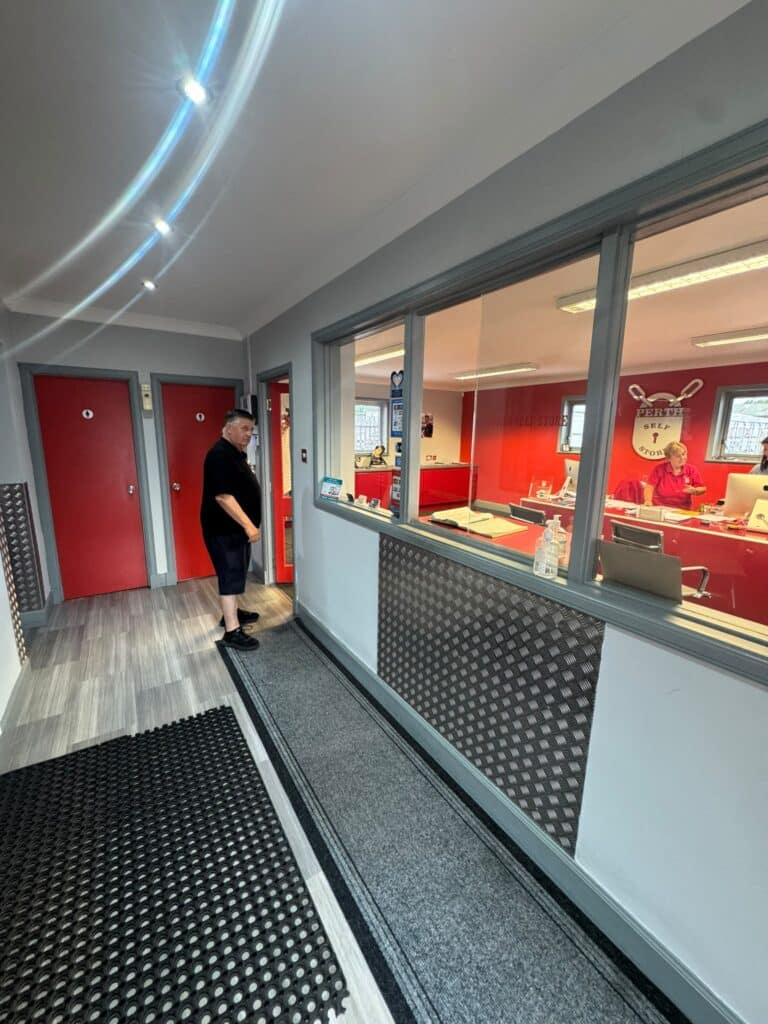
Perth Self Store provides indoor storage and drive-up storage options suitable for businesses, tradespeople and commercial users.
Tell us what you need to store, how often you expect to access it and approximately how much space you require.
Our team can help you identify a suitable storage option.
Need Business Storage in Perth?
Need more room for stock, tools, equipment or documents?
Tell us what your business needs to store and we can help you find a suitable option.
Telephone: 01738 632879
Email: [enquiries@perthselfstore.co.uk](mailto:enquiries@perthselfstore.co.uk)
Perth Self Store
Inveralmond Road
Inveralmond Industrial Estate
Perth
PH1 3TW
Scotland
Business Storage For
- Retail Stock
- Online Businesses
- Tools and Equipment
- Tradespeople
- Office Furniture
- Documents and Archives
- Seasonal Stock
- Marketing Materials
- Commercial Equipment
Popular Storage Guides
- Moving House Guide
- Storage Tips & Guides
- Packing Advice
- Storage Calculator
- Storage FAQs